An X-ray system is only as dependable as the components that generate and control its radiation output. In applications where image clarity, repeatability, equipment size, and operating stability matter, selecting the right X-ray source manufacturers can have a direct effect on the performance of the complete system. From industrial inspection lines to medical imaging equipment, the source and its associated high-voltage technology form a critical part of the architecture.
Why X-Ray Generation Matters
X-ray generation involves more than simply producing radiation. The system must deliver controlled electrical energy to the X-ray tube while maintaining the required voltage, current, and operating stability. Small variations can influence imaging consistency, inspection accuracy, and overall system behaviour.
For equipment manufacturers, this makes the selection of an X-ray source an engineering decision rather than a simple component purchase. The source needs to match the detector, application, available space, thermal requirements, control system, and expected workload.
Integrated Sources Simplify System Design
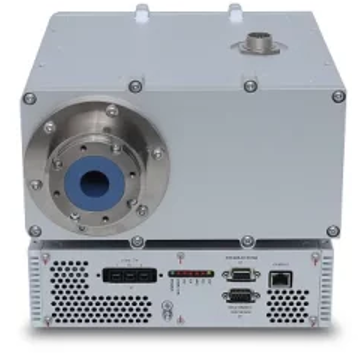
Traditional X-ray systems may use separate components for the tube, high-voltage supply, filament supply, and control electronics. An integrated source combines several of these functions into one compact assembly.
This approach can simplify mechanical and electrical integration. It can also reduce the number of separate components that an OEM needs to position, connect, cool, and maintain inside a finished machine.
Integrated designs are particularly useful where equipment dimensions are restricted. Compact inspection machines, portable systems, medical devices, and automated industrial equipment can benefit from a source designed around practical integration requirements.
High Voltage Controls X-Ray Performance
High voltage is fundamental to X-ray generation because it determines the energy with which electrons travel toward the target inside the tube. The resulting X-ray output must remain stable enough for the intended imaging or inspection task.
A dependable high voltage power supplier therefore needs to consider more than maximum voltage. Output stability, current control, response characteristics, thermal behaviour, electrical compatibility, and reliability can all influence how effectively the generator performs within a larger system.
For OEMs, matching the generator to the tube and application is especially important. A technically capable generator may still be unsuitable if its operating range or interface does not align with the complete equipment design.
Security Systems Need Consistent Output
Security inspection is one area where dependable X-ray generation plays an important role. Baggage, parcel, cargo, vehicle, and portable inspection systems rely on X-ray imaging to reveal objects that may not be visible through conventional inspection methods.
These systems can operate in demanding environments and may process a continuous flow of items. Stable output supports consistent image formation, while compact designs can help equipment manufacturers manage the physical constraints of scanners.
Portable security equipment introduces another requirement: the source must work within a system designed for mobility. Weight, power requirements, cooling, shielding, and durability can therefore become important considerations during product development.
Industrial Inspection Depends On Stability
Manufacturing environments often use X-rays to inspect internal structures without cutting, dismantling, or damaging the item being examined. This makes X-ray technology valuable for non-destructive testing across sectors such as aerospace, automotive, electronics, and other industrial applications.
Industrial systems may inspect welds, castings, components, boards, materials, or manufactured parts. Depending on the application, X-ray technology can also support thickness measurement, sorting, recycling, and wood inspection.
Stable source operation becomes especially relevant when inspection results must remain consistent across large numbers of products. The source needs to perform reliably within the wider equipment architecture and under the operating conditions expected on the production floor.
See also: You’re Not the Only One Confused About “Discreet” ED Care. Here’s How to Read It Right.
Medical Imaging Requires Precise Engineering
Medical equipment places its own demands on X-ray generation. Dental CBCT, bone densitometry, veterinary imaging, radiotherapy, and other applications can require different combinations of voltage, power, focal spot characteristics, size, and operating modes.
In diagnostic imaging, the objective is not simply high output. The system must provide appropriate radiation characteristics for producing useful images while fitting within the physical and electrical design of the medical device.
Compact integrated sources can be particularly valuable in equipment where space is limited. In some designs, rapid control of output can also support imaging workflows that require carefully managed exposure.
Food Inspection Adds Production Challenges
X-ray inspection has become useful in food processing for detecting certain foreign materials and identifying abnormalities within products. Inspection equipment may operate directly alongside conveyor systems and production lines, where interruptions can affect throughput.
The X-ray source must therefore function as part of a larger automated environment. Consistent output, suitable cooling, compact construction, and practical maintenance can influence how effectively the inspection unit operates over time. Working with experienced X-ray source manufacturers can also help equipment designers identify a source suited to specific inspection requirements.
For equipment designers, the source should be selected according to the material being inspected, detector arrangement, production speed, required penetration, and overall machine configuration.
Electronics Benefit From Compact X-Ray Systems
Electronics manufacturing provides another example of how X-ray technology can solve a practical production problem. X-ray inspection can help examine components and verify information that is difficult to obtain through external visual inspection.
Component counting is one application where X-ray systems can contribute to manufacturing efficiency. A suitably designed source and generator can support automated equipment that needs repeatable imaging while operating within restricted machine dimensions.
As electronics equipment becomes increasingly compact, the supporting X-ray components also need to accommodate smaller system footprints without compromising required performance.
The Future Of X-Ray System Integration
X-ray equipment continues to move toward more compact, automated, and application-specific designs. Security scanners, industrial inspection machines, medical systems, analytical instruments, and food inspection equipment each create different engineering requirements.
The most effective approach is to evaluate the complete system: source, generator, tube, detector, controls, cooling, shielding, mechanics, and intended operating environment. When these elements are designed to work together, X-ray technology can deliver more consistent results across demanding applications.
Conclusion
X-ray generation sits at the centre of many inspection and imaging technologies, making source selection an important part of equipment development. From compact integrated units to configurable high-voltage generators, the right solution depends on the application, operating conditions, system architecture, and performance requirements. For OEMs seeking engineered X-ray components and high voltage power supplier solutions, VJ X-Ray provides a useful reference point for exploring technologies designed around diverse industrial, medical, security, electronics, food, and analytical applications.