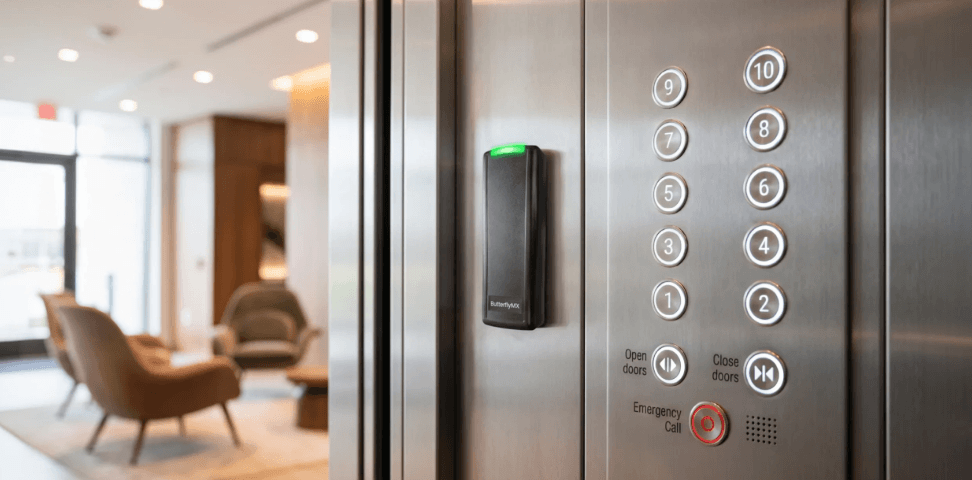
An elevator call button is one of the most familiar components of a lift system. Located on landing operating panels outside the elevator, it allows passengers to request a lift from a particular floor. Although the button itself is simple to use, it forms an important part of the communication system between passengers and the elevator controller.
Modern elevator call buttons are designed with functionality, durability, visibility, and user convenience in mind. They can be used in residential buildings, offices, hotels, shopping centers, hospitals, factories, and other facilities where elevators provide vertical transportation.
How an Elevator Call Button Works
When a passenger presses an elevator call button, the button sends an electrical signal to the elevator control system. The controller receives the request and determines which elevator should respond based on the system’s programmed operating logic.
Once the request is registered, an indicator on the landing operating panel may illuminate to show that the call has been received. The elevator then travels to the requested floor, opens its doors, and allows passengers to enter.
In buildings with multiple elevators, the control system can coordinate several cars to manage calls efficiently. This can help reduce unnecessary elevator movement and improve passenger flow during busy periods.
Designed for Frequent Public Use
Elevator buttons are used repeatedly throughout the day, so durability is an important consideration. A quality elevator call button should be designed to withstand frequent pressing and regular contact with users.
The surrounding landing operating panel should also provide a suitable level of protection against dust, moisture, accidental impact, and general environmental conditions. The appropriate construction depends on where the elevator is installed.
For high-traffic locations such as shopping malls, airports, hotels, and office buildings, durable components can be particularly valuable because elevator controls may be operated thousands of times over their service life.
Clear and Accessible Operation
Ease of use is another important factor when selecting elevator call buttons. The button should be easy to identify and operate, particularly in busy public environments.
Illuminated indicators can provide visual confirmation that a passenger’s request has been registered. Clear markings and an intuitive panel layout can also help users understand which button to press when calling the elevator.
Accessibility should be considered as part of the overall elevator design. Depending on the project and applicable regulations, landing controls may need specific arrangements for visibility, tactile identification, mounting height, and other accessibility requirements.
Applications in Different Buildings
An elevator call button can be integrated into many types of elevator landing panels. Residential buildings may use straightforward panels with simple up and down call controls, while commercial properties can require more sophisticated designs.
Hospitals, hotels, offices, educational buildings, retail centers, and industrial facilities may all have different requirements based on traffic volume and building layout. The panel design can also be selected to complement the interior or exterior appearance of the elevator installation.
For modernization projects, replacement call buttons can be selected to work with the existing elevator control system, provided electrical and mechanical compatibility has been confirmed.
See also: Dent Repair Near Me: What to Look for Before Choosing a Repair Specialist
Choosing the Right Elevator Call Button
Before purchasing an elevator call button, contractors should consider compatibility with the elevator controller, panel dimensions, electrical specifications, button design, indicator type, and installation method.
The operating environment should also influence the selection. Indoor applications may have different requirements from elevator entrances exposed to humidity, dust, or temperature changes.
GOTS Elevator provides landing operating panel and elevator call button solutions for different elevator applications. Reviewing the technical requirements of the complete elevator system can help ensure that the selected components operate correctly together.
A Small Component with an Important Function
An elevator call button may be a small part of a lift installation, but it provides the primary interface between passengers waiting on a floor and the elevator control system. Reliable operation, clear indication, durable construction, and suitable design can all contribute to a better passenger experience.
For elevator manufacturers, contractors, and building developers, selecting an appropriate elevator call button can help create a practical, accessible, and dependable landing control system. When matched correctly with the elevator’s electrical and control architecture, it can provide consistent service throughout the life of the lift.